


How to Care for Your Motorcycle Leathers
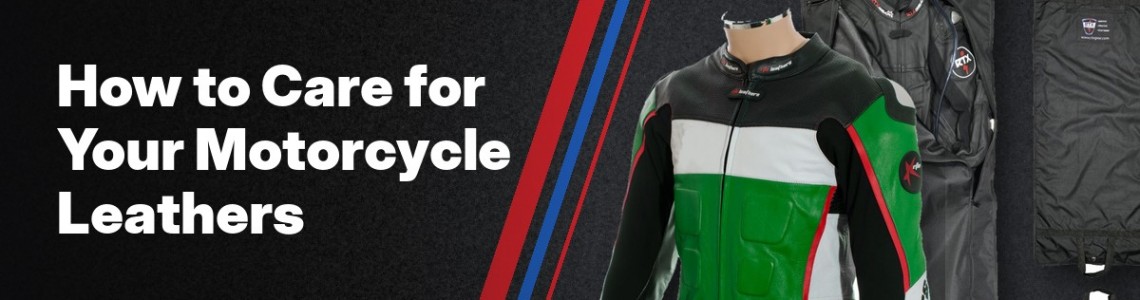
Good leathers last for years if you look after them. A few minutes after a ride, a proper clean a few times a season and the right storage keep the leather supple, the stitching strong and the armour doing its job.
After every ride
- Wipe off bugs and road dirt with a soft cloth and lukewarm water while they're fresh. Dried insects are acidic and harder to shift.
- Air them out. Hang your leathers on a wide, padded hanger somewhere cool and dry. Don't leave them rolled up in a bag or a top box.
- Open the vents and zips so sweat can dry from the inside.
Cleaning
- Remove the armour inserts first.
- Wipe the outside with a damp cloth and a little mild soap or a cleaner made for leather. Don't use washing-up liquid, solvents or a pressure washer.
- Wipe the lining with a damp cloth. If the lining is removable, check its label before washing it.
- Let everything dry naturally (see below), then refit the armour.
Never put leathers in a washing machine or tumble dryer.
Conditioning
Leather slowly loses its natural oils, which makes it stiff and more likely to crack. After cleaning, and a few times a year, condition your leathers. We recommend Renapur leather conditioner: rub a small amount in with a soft cloth, let it soak in, then buff off the excess. Too much leaves a sticky finish that attracts dirt, and it's worth testing on a hidden area first, especially on coloured or white panels.
If they get wet
- Blot off surface water with a towel.
- Dry them at room temperature, on a padded hanger, away from radiators, fires and direct sunlight. Fast heat makes leather shrink and crack.
- When they're almost dry, apply a little conditioner to replace lost oils.
Storing over winter
- Clean and condition them before you put them away.
- Store them hanging, somewhere cool, dry and dark, with space around them for air.
- Use a breathable cover, not a plastic bag, which traps moisture and can cause mould. Our RTX Suit-Stash is a breathable storage and carry bag made for leathers and gloves.
- Check them once or twice over the winter and air them if they smell damp.
Check your stitching and armour
Once a season, look over the seams, zips and stretch panels, especially at the seat, knees and elbows. Make sure the armour still sits correctly in its pockets and hasn't cracked or compressed. If you've had a crash, have the leathers and armour checked before riding in them again, even if the damage looks small.
Damaged leathers?
We don't offer a repair service, but a local leather repair specialist can usually restitch an opened seam or patch a scuffed panel. Replacement armour is in our armour range, and if it's time for new leathers, take a look at our custom leathers or contact us for advice.
Related Products
